The food and drink sector employs over 440,000 workers in the UK, and the agriculture industry alone contributes £11 billion annually to the UK's gross value added (GVA). At Finch Consulting we are proud to actively support these sectors by helping them manage some of their most serious risks.
Posted
09.09.2024
Written by
One of the areas where we continue to see a persistent challenge is workplace transport- a critical issue in many industries, but highly significant in the food, drink, and agriculture sectors. In these environments the movement of goods, materials, livestock and people presents unique hazards. Whether it’s forklifts moving in complex food processing plants or tractors and harvesters navigating uneven terrain on farms, ensuring transport safety is crucial for protecting workers and reducing costly accidents.
According to the Health and Safety Executive (HSE), between 2023 and 2024, there were 27 reported deaths in the agricultural sector, with transport-related accidents being one of the leading causes. Over the past five years, vehicle-related incidents have accounted for about 30% of all fatalities in agriculture, primarily involving tractors, ATVs (all-terrain vehicles), and other large machinery.
In the food and drink sector, workplace transport is one of the most common causes of injuries, particularly in environments where forklifts and other mechanised vehicles are used. A report from the HSE found that nearly one-third of all serious injuries in this sector were linked to vehicle movements.
In agriculture, workers may need to operate large machinery on uneven, muddy, or sloped terrain. These conditions increase risk, particularly when using older or poorly maintained equipment. Weather conditions also play a significant role, increasing the risk of accidents due to slippery surfaces or reduced visibility.
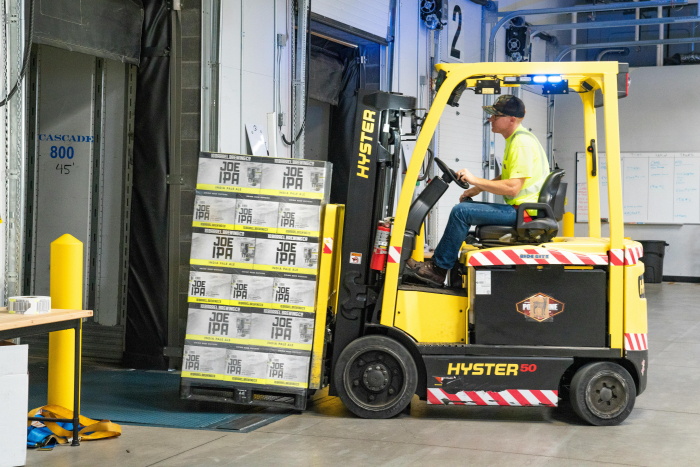
In the food and drink sectors, workers often operate forklifts and other vehicles in limited spaces in warehouses and loading bays. These environments can become congested, increasing the likelihood of collisions between vehicles, workers, and stationary objects. Moreover, temporary or seasonal workers are commonly employed, and they may not be familiar with the work environment and traffic movement.
In both sectors poor planning of transport and pedestrian routes and inadequate training are major contributors to transport-related accidents. The agricultural industry is particularly affected by training, with many workers being self-employed, working on a seasonal basis, or not having English as a first language, meaning they may not receive the necessary instruction in how to safely operate machinery. Research from the HSE has shown that nearly half of all accidents involving farm vehicles could be prevented through better training and awareness.
In the food and drink sector, while formal training may be more common, there is still a need for comprehensive training programmes, including regular refresher courses for anyone tasked with operating forklifts, pallet trucks, and other vehicles.
In agriculture, the use of old and poorly maintained machinery is a widespread issue. Many small to medium-sized farms operate on tight budgets and may delay replacing or servicing expensive equipment. However, poorly maintained vehicles are more prone to malfunctions and breakdowns, which can increase the risk of accidents. According to a recent by the HSE, farm vehicles involved in accidents were often found to be inadequately maintained, with issues ranging from faulty brakes to missing guards.
The food and drink sector faces similar challenges, with aging infrastructure in warehouses and factories.


