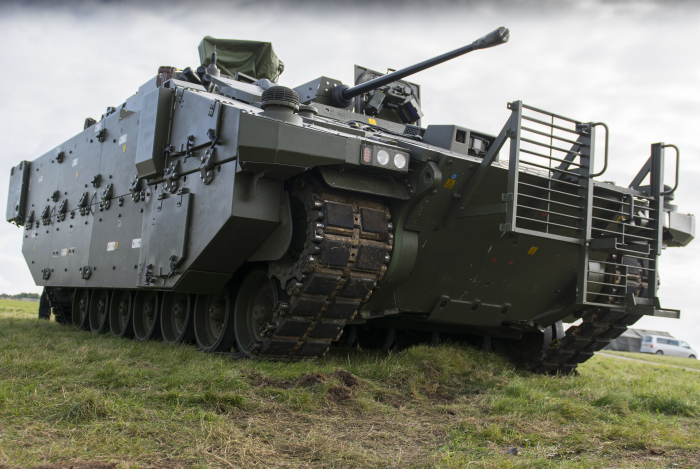
The Ajax armoured vehicle programme was intended to be a transformative step for the British Army: a fleet of six advanced, fully digitised vehicles providing cutting-edge surveillance, reconnaissance, and support capabilities. However, as the National Audit Office (NAO) details in its 2022 report, the programme has instead become a cautionary tale of how complex defence procurement can falter when risk management, technical requirements, and supplier oversight are not robustly assured from the outset. The consequences include years of delay, spiralling costs, and critical safety issues, most notably, unresolved noise and vibration problems that have directly affected the health of Army personnel.
Project Summary
At the heart of Ajax’s troubles lies the drive to deliver a bespoke solution bristling with new capabilities, but without sufficient maturity in the underlying technologies or a clear understanding of how they would integrate. The Ministry of Defence (MoD) specified around 1,200 capability requirements for each of the six Ajax variants. While innovation is vital in defence modernisation, the result was a system so complex that even the Department and General Dynamics Land Systems UK (GDLS-UK) struggled to fully understand how components would work together. For example, the cannon’s design was not mature at contract award, yet its integration was pivotal for the vehicle’s intended capability.
