Case Study: BP Texas City Refinery Explosion (2005)
BP’s Texas City Refinery in Texas, USA, was one of the largest oil refineries in North America. On 23 March 2005, the refinery was restarting its Isomerisation (ISOM) Unit following a maintenance shutdown. Startup activities are widely recognised as one of the highest-risk phases of operation due to changing process conditions and increased operator demands. Investigations later found that process safety performance had deteriorated over several years, with warning signs, equipment issues, and organisational weaknesses not being effectively addressed.
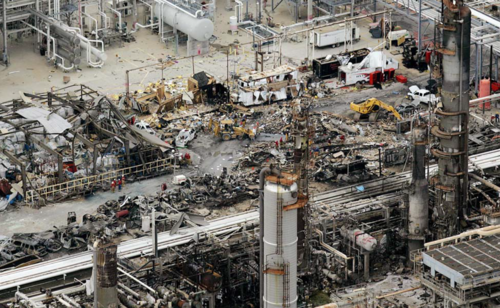
During startup of the ISOM Unit, operators overfilled and overheated a raffinate splitter tower. As pressure increased, hydrocarbons were discharged into a blowdown drum and vent stack. Instead of being contained in a modern flare system, a large quantity of flammable liquid and vapour was released to the atmosphere, forming a vapour cloud around the unit. The cloud subsequently ignited, resulting in a devastating explosion and fire.
The refinery had experienced previous startup incidents and abnormal operations involving the same process unit. Similar deviations had occurred before without resulting in a major accident, leading to a false sense of security.
· Temporary Trailers Near Hazardous Areas - temporary office trailers for the shutdown had been placed close to operating process equipment for convenience, despite the potential consequences of a major release. This risk was known before the incident but remained unresolved.
· Cost and Resource Pressures - The Independent Safety Review Panel investigation identified concerns regarding budget pressures, maintenance backlogs, aging equipment, and insufficient investment in process safety improvements.
Figure 1: BP Texas City Explosion photograph of aftermath
References: