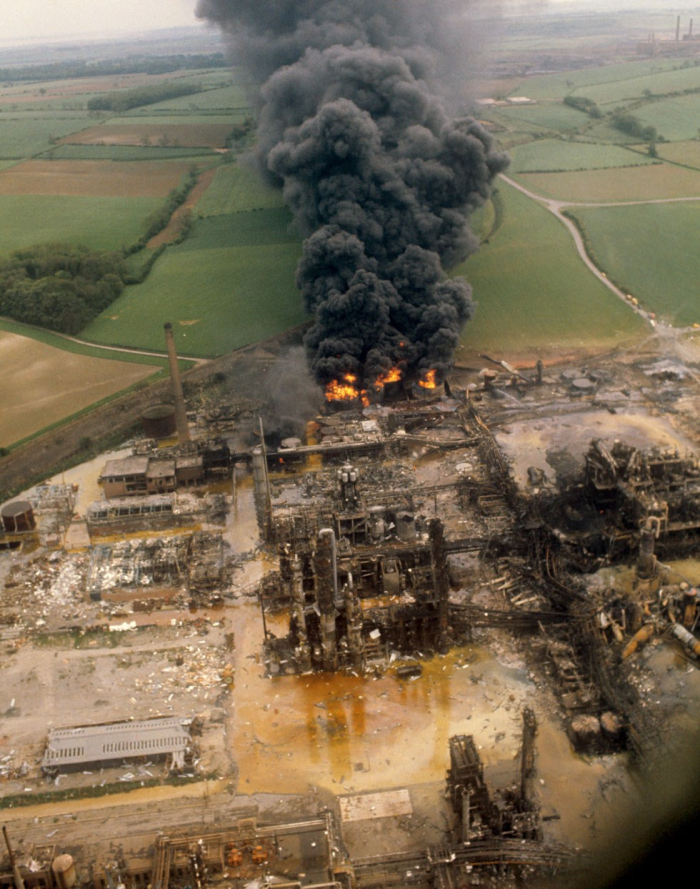
Figure 2: Flixborough Cyclohexane plant after the disaster. Reference: Flixborough 50 Years On: Lessons for Managers and Engineers Today – Features – The Chemical Engineer
What can we learn 51 years on?
The 51st anniversary of the Flixborough disaster serves as a reminder of the catastrophic consequences which can occur if neglecting process safety in chemical operations. The lessons learned emphasise not only operational and cultural improvements but also specific physical measures that can prevent similar disasters. Here are key elements for companies to implement at their sites:
Robust Management of Change Process
- Lesson Learned: A major process change—bypassing a reactor—was made without proper design review, risk assessment, or documentation.
- Key Actions:
- All modifications, even temporary ones, must go through a formal MoC process that includes technical evaluations, hazard analysis, and approval by qualified personnel.
Engineering Design Must Be Competent and Documented
- Lesson Learned: The bypass pipe was designed by non-specialist staff without mechanical stress analysis or sufficient drawings.
- Key Actions:
- Design of process equipment must be carried out or approved by qualified engineers using sound engineering practices. Temporary solutions must be treated with the same rigor as permanent ones.
Hazard Identification and Risk Assessment Are Critical
- Lesson Learned: The risk of a catastrophic failure from pipe rupture and cyclohexane release was not identified.
- Key Actions:
- Hazard and Operability Studies (HAZOPs) and other risk assessments must be conducted for process changes, even if they seem minor.
Mechanical Integrity and Support Systems Matter
- Lesson Learned: The bypass pipe lacked proper support and was vulnerable to vibration and pressure stress.
- Key Actions:
- Mechanical integrity programs must ensure that all piping systems are properly designed, supported, and maintained—especially under high temperature and pressure.
Pressure testing of key pressure equipment
- Lesson Learned: No pressure testing was carried out on the bypass pipework during commissioning.
- Key Actions:
- Ensure any key pressure equipment is leak and pressure tested during commissioning to ensure no leaks are identified and conforms to the design pressures required. If a relevant fluid is used under certain pressures, then this should be tested under a written scheme of examination as part of the Pressure Systems Safety Regulations (PSSR).
A Strong Process Safety Culture Is Essential
- Lesson Learned: Production pressures appeared to outweigh safety concerns, and staff did not have the tools or authority to halt unsafe changes.
- Key Actions:
- Organisations must promote a safety-first culture where concerns can be raised, and safety is prioritised over production targets.
Documentation and Communication Must Be Clear
- Lesson Learned: Poor documentation and lack of communication contributed to misunderstanding the hazards.
- Key Actions:
- All changes, designs, inspections, and decisions must be clearly documented and communicated across departments and to all affected personnel.
Emergency Preparedness and Siting
- Lesson Learned: The explosion killed 28 people, many of whom (18 people) were inside the plant’s central control room which was poorly located and where the windows shattered and the roof collapsed.
- Key Actions:
- Emergency response planning, facility siting, and blast-resistant control rooms are crucial design elements to protect personnel.
Learn from Near Misses
- Lesson Learned: A cracked reactor was an early warning of system weakness, but the response was inadequate.
- Key Actions:
- Near misses and equipment failures should trigger full investigations and reviews to prevent escalation into major incidents.
Regulatory Oversight and Standards
- Lesson Learned: Improper regulations and standards meant certain hazards went unchecked. The disaster prompted major changes in UK regulations and inspired global reforms.
- Key Actions:
- Effective regulation, such as Control of Major Accident Hazards (COMAH) Regulations is essential for ensuring companies systematically manage hazardous materials and processes.
Conclusion
The Flixborough disaster was a tragic but pivotal event in the evolution of process safety. It serves as a sobering reminder that even small changes—if not carefully analysed and managed—can lead to catastrophic outcomes. For professionals in chemical and process industries, the legacy of Flixborough reinforces the need for vigilance, discipline, and a robust safety culture in every operational decision. Finch can support companies with their Process Safety needs whether in Hazard studies or management of change processes.
 .
.