Search

A Journey Through Engineering Leadership and Consultancy

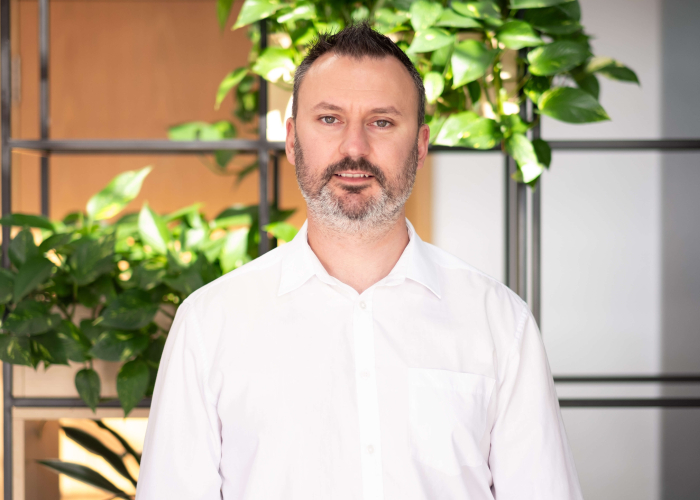
Rob Migliaccio | Finch Consulting

Posted

11.08.2026

My Career Journey at Finch

I joined Finch in 2018, bringing with me extensive engineering experience developed over many years with Siemens, where I progressed into senior engineering leadership roles.

Today, I specialise in machinery safety, functional safety, electrical engineering and risk management, providing expert advice on some of the most technically complex and high-risk projects across industry.

What attracted me to Finch was the opportunity to apply that expertise across a diverse range of sectors, from mining and heavy engineering to manufacturing and food production, helping organisations solve challenging technical and safety issues.

No two projects are the same. Whether I’m advising on major capital projects, supporting compliance with complex legislation, contributing to industry standards or investigating incidents, the work is varied, intellectually demanding and focused on delivering practical solutions that make a real difference.

What Makes a Great Consultant?

Technical expertise is the foundation of good consultancy, but it’s only one part of what makes someone effective. Clients expect you to understand legislation, engineering principles and industry standards, but they also expect you to help them apply that knowledge in the real world. Simply telling a client what the regulations say isn’t enough, they need practical, proportionate solutions that work within their operational, financial and organisational constraints.

One of the most important skills is listening. Every organisation is different, with its own culture, challenges and appetite for change. Before recommending a solution, it’s essential to understand not only the technical problem, but also the people, processes and business objectives behind it. The best advice is always tailored to the client’s specific circumstances rather than applying a one-size-fits-all approach.

Trust is another critical part of the relationship. Clients rely on us to provide independent, objective advice, particularly when dealing with complex safety or regulatory issues. That trust is earned by being honest, transparent and prepared to have difficult conversations, when necessary, while always remaining focused on achieving the best outcome for the client.

Ultimately, I believe the role of a consultant is not to point out what’s wrong, but to help organisations improve. Whether that’s reducing risk, developing safer systems of work, improving compliance or supporting engineering innovation, success comes from working collaboratively with clients to develop practical solutions that deliver lasting improvements

Lessons I've Learned Working with Clients

Most organisations genuinely want to improve safety they often just need support navigating complex regulations.

Good communication is just as important as technical competence.

The best outcomes happen when we work collaboratively with clients rather than simply auditing them.

Every project is an opportunity to share knowledge and leave the client in a stronger position.

Emerging Risks Every Organisation Should Understand

Industrial automation is advancing at an unprecedented pace. Robotics, autonomous systems, artificial intelligence and increasingly sophisticated control systems are transforming the way organisations design, manufacture and operate machinery. These technologies bring significant benefits in productivity, efficiency and quality, but they also introduce new and often more complex safety risks that organisations need to understand and manage.

One of the biggest changes is the increasing reliance on software. Modern machinery is no longer purely mechanical or electrical, it’s driven by programmable control systems, networked communications and intelligent devices. As a result, functional safety has become a fundamental consideration from the earliest stages of design rather than something that can be addressed at the end of a project. Integrating safety into the design process from the outset not only reduces risk but also avoids costly redesigns and delays later in the equipment lifecycle.

The regulatory landscape is evolving alongside these technological developments. The transition from the Machinery Directive to the new Machinery Regulation reflects the changing nature of machinery and places greater emphasis on emerging technologies such as autonomous equipment, software-driven safety functions and cybersecurity where it affects machinery safety. Organisations designing, manufacturing or modifying machinery need to understand how these changes affect their legal obligations and ensure their compliance strategies evolve accordingly.

At the same time, maintaining compliance throughout the operational life of machinery is becoming increasingly challenging. Equipment is frequently upgraded, modified or integrated with new technologies, meaning organisations must continually assess whether those changes affect the original safety assumptions or introduce new hazards. Compliance should be viewed as an ongoing process rather than a one-off exercise at the point of installation or CE/UKCA marking.

Technology alone, however, is never the complete answer. Even the most advanced safety systems rely on competent people to specify, install, operate, maintain and inspect them correctly. Investment in training, competence and safety culture remains just as important as investment in new equipment. Organisations that combine technical innovation with skilled people and robust risk management will be best placed to operate safely, remain compliant and adapt to future technological and regulatory change.
How We Develop Future Leaders

  • Experience is built by exposing people to a wide range of industries and challenges.
  • Technical mentoring is important, but so is helping people develop communication and client-facing skills.
  • Encouraging engineers to contribute to standards and industry best practice helps develop broader expertise.
  • Giving people responsibility while providing support builds confidence.

Why Expertise Matters in Risk Management

  • Risk management isn’t about ticking boxes, it’s about understanding how equipment, people and processes interact.
  • Small technical decisions can have significant safety implications.
  • Having experience across design, installation, compliance and incident investigation allows us to see risks from multiple perspectives.
  • Expertise helps clients make informed decisions that are both safe and commercially practical.

Building a Career in Professional Services

  • Professional services offers the opportunity to solve different problems every week.
  • I’ve worked across Europe and the Far East on projects ranging from machinery compliance to major engineering programmes.
  • The variety means you’re constantly learning.
  • If you enjoy technical challenges and working with people, consultancy is a rewarding career.

The Future Skills Consultants Need

  • Technical expertise will always be important, but it isn’t enough on its own.
  • Consultants need to explain complex engineering issues in a way clients can understand.
  • Understanding emerging technologies like robotics and automation is becoming increasingly valuable.
  • Adaptability and continuous learning are essential because standards, legislation and technology never stand still.

How We Help Clients Create Safer Organisations

  • We help organisations understand both their legal responsibilities and practical ways to reduce risk.
  • That includes machinery safety, electrical safety, functional safety and regulatory compliance.
  • The aim isn’t simply compliance, it’s creating safer, more reliable operations.
  • We work alongside clients to develop sustainable improvements rather than one-off fixes.

What Collaboration Looks Like at Finch

  • One of Finch’s strengths is the breadth of expertise across the business.
  • No one person has all the answers, so we regularly draw on colleagues with specialist knowledge.
  • That collaborative approach means clients benefit from a much wider range of experience than any individual could provide.
  • It also creates an environment where we’re constantly learning from each other.

Why I Chose to Build My Career Here

  • Finch gave me the opportunity to apply my engineering experience across a much broader range of industries.
  • I enjoy solving complex technical problems and helping organisations improve safety.
  • The culture encourages continuous learning and professional development.
  • Being able to work with experienced colleagues while contributing my own expertise has made it a rewarding place to build my career.

Advice for Someone Joining Finch Today

  • Be curious and never stop learning.
  • Don’t be afraid to ask questions, everyone has expertise to share.
  • Develop both your technical knowledge and your communication skills.
  • Focus on understanding clients’ businesses as well as the engineering challenges.
  • If you’re willing to learn and enjoy solving problems, you’ll find plenty of opportunities to develop at Finch.

Interested in Building Your Career at Finch?

Finch is a fantastic place to develop your career, offering the opportunity to work on diverse and challenging projects alongside experienced specialists who are passionate about making a difference. We believe in continuous learning, collaboration and supporting our people to achieve their full potential.

If you’re looking for a rewarding career where you can grow your expertise, solve complex problems and help create safer, better-performing organisations, we’d love to hear from you.

Explore our current opportunities on our Careers page, or get in touch by email at [email protected] or call us on 01530 412 777 to find out more about joining the Finch team.

Finch Consulting
Privacy Overview

This website uses cookies so that we can provide you with the best user experience possible. Cookie information is stored in your browser and performs functions such as recognising you when you return to our website and helping our team to understand which sections of the website you find most interesting and useful.