Objectives
- Assess the current health and safety arrangements following the reintroduction of FLTs.
- Identify risks associated with pedestrian and vehicle interaction.
- Recommend improvements to enhance safety and operational efficiency.
Methodology
A team of Finch consultants conducted a site inspection and reviewed existing documentation, including risk assessments and Safe Operating Procedures (SOPs). The inspection focused on:
- Warehouse layout and environment
- FLT and pedestrian movement
- Safety procedures and controls
Key Findings
Warehouse Operations
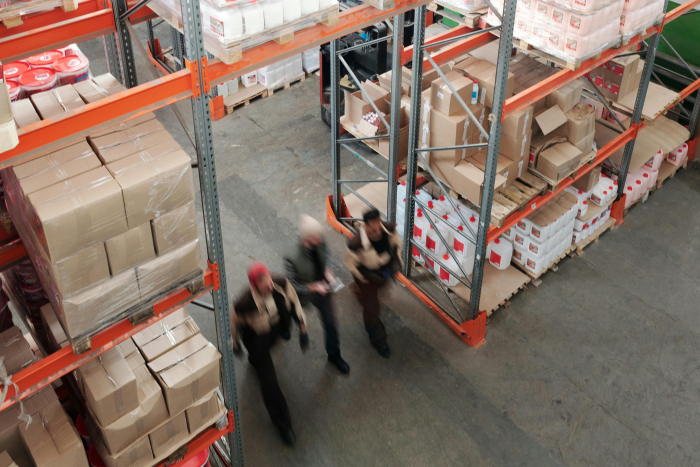
- The warehouse spans approximately 2000m², with roller shutter doors on three sides and gravity roller racking for pallet dispatch.
- FLTs are diesel-powered, operating in confined areas with limited ventilation, raising concerns about air quality and hygiene due to open doors.
- Pedestrian access is managed via sign-in procedures and verbal communication, with limited physical segregation from FLT operating zones.
Safety Observations
- FLT drivers demonstrated vigilance, but simultaneous operation of multiple FLTs increases risk without defined traffic flow systems.
- Diesel fumes were noticeable, and open doors compromised hygiene and access control.
- Pedestrian access points lacked interlocking systems, and signage was ambiguous.
- Gravity roller racking was damaged, causing operational delays and increased pedestrian exposure to FLT zones.
- Contractors and maintenance personnel lacked formalised control measures during non-routine tasks.
Outcome
The client was provided with a comprehensive set of recommendations aimed at reducing risk, improving operational flow, and enhancing safety culture. Finch Consulting remains available to support the implementation and review of these measures.